


From Traditional Mining to Modern Infrastructure: The Cross-Industry Value of Aggregate Plants
- info515452
- 3月3日
- 讀畢需時 6 分鐘
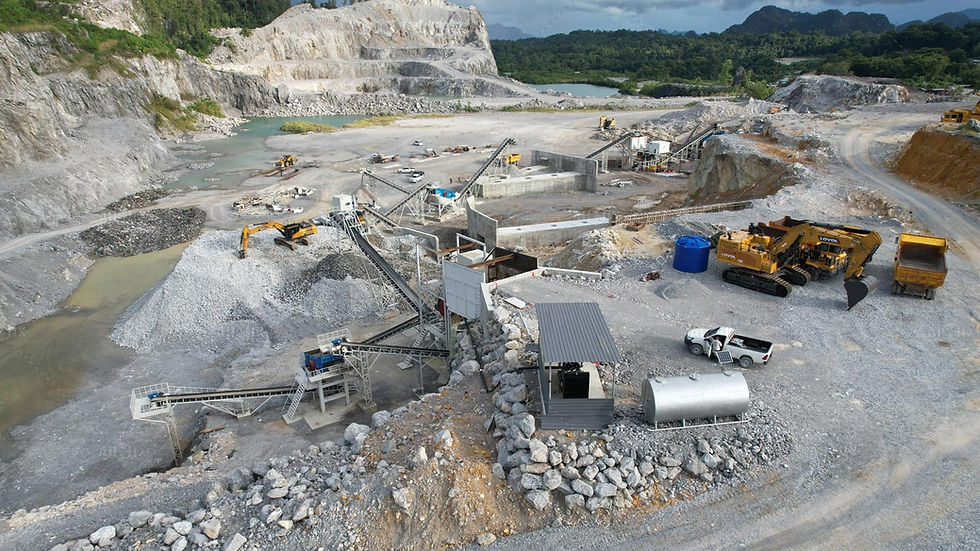
The journey of a single stone from a mountain quarry to the foundation of a city highway represents one of the most fundamental yet overlooked transformations in modern construction. Aggregate production sits at the critical intersection of traditional mining and contemporary infrastructure development, serving as the essential link between natural resources and the built environment. As urbanization accelerates globally and infrastructure spending reaches unprecedented levels, the equipment that processes raw rock into precisely graded construction materials has evolved from simple crushing machinery into sophisticated processing systems. Understanding how these systems create value across multiple industries provides insight into their central role in economic development.
The Evolving Role of Aggregate Processing
Aggregate production has historically been viewed as a extractive industry concern, relevant primarily to miners and quarry operators. This perspective, however, fails to capture the full scope of how processed materials flow through modern economies. Today's aggregate operations serve as critical supply nodes connecting raw material extraction to road construction, building development, and major infrastructure projects.
From Quarry to Construction Site
The transformation begins at the quarry face, where blasting and primary breaking reduce massive rock formations to manageable sizes. From there, material enters an aggregate crusher plant(planta trituradora de agregados) where a series of crushing and screening processes gradually reduce rock to specific gradations required for different applications. The efficiency of this transformation directly affects the cost and quality of every construction project that follows. A well-designed aggregate crusher plant produces consistent material that meets strict specifications, while poorly configured operations generate waste and require frequent reprocessing.
Meeting Diverse Industry Requirements
Different end users demand different aggregate characteristics. Road base requires material with specific load-bearing properties and drainage characteristics. Concrete production demands clean, well-graded aggregates with controlled particle shapes. Asphalt manufacturing needs precisely graded materials that create proper interlock and void structure. Modern stone crusher plants must accommodate these varying requirements through adjustable settings, multiple crushing stages, and sophisticated screening systems that separate material into multiple product streams simultaneously.
Technology Advancements Driving Cross-Industry Value
The aggregate processing industry has undergone significant technological transformation in recent decades, with innovations that enhance value creation across multiple applications.
Automation and Quality Control
Contemporary crushing operations increasingly incorporate automation systems that monitor and adjust processing parameters in real time. These systems maintain consistent product quality despite variations in feed material, ensuring that downstream users receive reliable materials for their applications. An automated aggregate crusher plant can detect changes in material hardness or moisture content and adjust crusher settings accordingly, maintaining specified gradations without manual intervention. This consistency proves particularly valuable for infrastructure projects where material variability can lead to construction defects and project delays.
Mobility and Project Economics
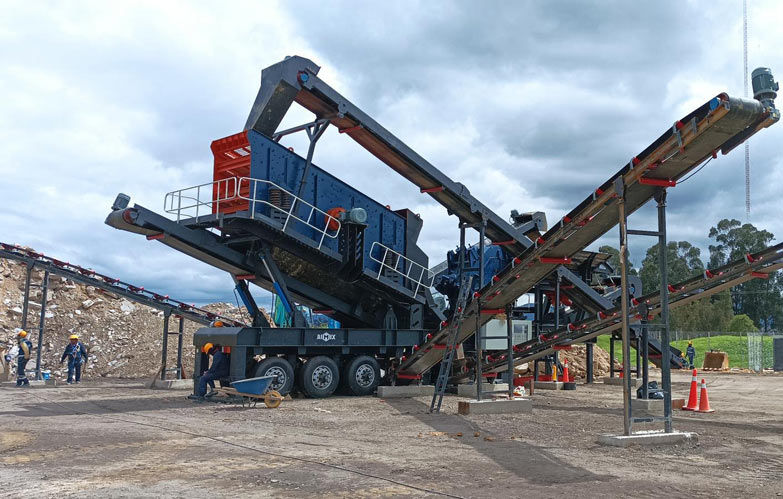
The ability to relocate processing equipment has fundamentally changed how aggregate serves infrastructure development. A portable stone crusher plant brings production capability directly to construction sites, eliminating the cost and environmental impact of hauling materials from distant quarries. This mobility creates particular value for linear infrastructure projects like highways and pipelines, where material requirements shift continuously as work progresses. Contractors utilizing a portable stone crusher plant can process onsite materials or reduce haul distances from nearby sources, often achieving significant cost savings compared to traditional centralized production models.
Applications Across Infrastructure Sectors
The cross-industry value of aggregate plants becomes apparent when examining their role in different types of construction and development projects.
Transportation Infrastructure
Road and highway construction represents the largest single market for processed aggregates. Base courses, sub-base layers, and asphalt pavements all require substantial tonnages of precisely graded stone. A modern stone crusher plants(plantas trituradoras de piedra) operation supporting highway construction must produce multiple gradations simultaneously, from coarse base materials to fine screening for chip seals. The ability to adjust production quickly as project requirements change distinguishes well-equipped operations from those struggling to meet specifications.
Railway construction similarly demands high-quality aggregates for ballast, the crushed stone layer that supports tracks and provides drainage. Ballast specifications are particularly demanding, requiring durable, angular particles of uniform size. Aggregate crusher plant configurations optimized for ballast production incorporate specific crusher types and screening arrangements that maximize cubical particle shape while minimizing undesirable flat or elongated pieces.
Commercial and Residential Development
Building construction consumes enormous aggregate volumes, from foundation fill to concrete aggregate to drainage stone. Urban development projects increasingly occur in areas with limited local aggregate sources, making the economics of material supply a significant project consideration. Developers evaluating project feasibility must account for aggregate availability and transportation costs, factors that a well-located portable stone crusher plant can significantly influence by establishing temporary production closer to development sites.
Water and Environmental Infrastructure
Dams, canals, and water treatment facilities require specialized aggregates for filters, drainage layers, and erosion control. These applications often demand specific particle size distributions and material cleanliness that exceed typical construction specifications. Stone crusher plants serving these markets must incorporate washing systems and precise screening capabilities that remove fines and separate material into narrowly defined size ranges. The value added through this specialized processing often commands premium pricing while serving critical infrastructure functions.
Economic Considerations for Aggregate Producers
Understanding cross-industry value helps aggregate producers make better equipment and operational decisions that maximize return on investment.
Equipment Selection Strategies
The choice between stationary and mobile configurations significantly impacts market reach and operational flexibility. A permanent aggregate crusher plant located near major markets can serve multiple customers efficiently, achieving economies of scale that reduce per-ton costs. This model works well for established operations serving stable, diverse customer bases. Conversely, a portable stone crusher plant(planta chancadora portátil) offers the ability to pursue temporary projects and serve remote locations that cannot support permanent facilities. Many successful producers maintain both types, deploying stationary plants for base load production while moving portable units to capture specific opportunities.
Balancing Production Capabilities
Modern crushing spreads typically incorporate multiple equipment types arranged in processing stages. Primary crushers handle initial size reduction, secondary crushers further reduce material, and tertiary crushers produce fine materials and improve particle shape. Screening stations between crushing stages separate material and return oversize for additional processing. The configuration of these elements determines what range of products the plant can economically produce. Stone crusher plants designed for maximum flexibility incorporate multiple crusher types and extensive screening capacity, allowing rapid reconfiguration for different product requirements.
Quality Considerations Across Applications
Different end users maintain different quality expectations, and successful aggregate producers understand how to meet varying requirements efficiently.
Specification Compliance
Infrastructure projects typically enforce strict material specifications backed by testing and documentation requirements. Concrete aggregates must meet standards for gradation, cleanliness, and particle shape that affect workability and final strength. Asphalt aggregates require specific surface characteristics that promote binder adhesion. Base materials must achieve density and strength targets when compacted. An aggregate crusher plant producing for multiple markets must maintain the capability to adjust operations and verify that output meets current specifications for each customer.
Material Testing and Quality Assurance
Reputable aggregate operations incorporate regular testing into production workflows, monitoring gradation, cleanliness, and physical properties to ensure compliance. This quality assurance creates value for downstream users by reducing uncertainty and eliminating the need for extensive incoming inspection. Contractors who know they can rely on consistent quality from their aggregate supplier adjust their own processes accordingly, achieving efficiencies that benefit both parties. A portable stone crusher plant operating on a remote project site must maintain the same quality standards as permanent facilities, often requiring mobile testing laboratories and on-site quality personnel.
Future Trends Shaping Aggregate Value
Several emerging trends will influence how aggregate plants create value across industries in coming years.
Sustainability and Material Efficiency
Environmental concerns increasingly affect aggregate production and use. Recycling concrete and asphalt pavements reduces demand for virgin materials while addressing waste disposal challenges. Modern stone crusher plants increasingly incorporate recycling capabilities, processing demolished concrete and reclaimed asphalt into valuable construction materials. This circular economy approach creates new value streams while addressing environmental and regulatory pressures.
Urbanization and Material Demand
Continuing urbanization concentrates material demand in metropolitan regions while simultaneously restricting access to local aggregate sources due to land use conflicts and community opposition. This tension between demand concentration and supply restriction creates opportunities for producers who can efficiently serve urban markets from more distant sources. Large stationary aggregate crusher plant operations located strategically near transportation corridors will continue serving core demand, while portable stone crusher plant operations may increasingly process materials from urban excavation and demolition projects, creating local supplies from waste streams.
Strategic Value Recognition
For equipment buyers and operators, recognizing the cross-industry value of aggregate plants opens strategic perspectives that transcend traditional mining viewpoints. An aggregate crusher plant represents not merely processing equipment but a manufacturing facility producing essential construction materials. The configuration decisions made during acquisition determine what markets the operation can serve, what quality levels it can achieve, and what efficiency it can maintain over years of operation.
Similarly, a portable stone crusher plant embodies not just mobility but strategic flexibility—the ability to pursue opportunities wherever they arise, to serve projects that cannot justify permanent facilities, and to adapt to changing market conditions without the anchor of fixed infrastructure. For contractors considering vertical integration into aggregate production, understanding this strategic dimension informs decisions about whether to invest in permanent facilities serving broad markets or mobile units supporting specific projects.
The aggregate industry's position at the intersection of mining and construction ensures its continuing relevance as economies develop and infrastructure expands. Producers who understand the diverse value their materials create across multiple applications position themselves to capture that value effectively, building operations that serve society's fundamental need for processed stone while generating sustainable returns. Whether through sophisticated stationary stone crusher plants serving metropolitan regions or agile portable stone crusher plant operations supporting remote infrastructure development, the industry's contribution to modern life remains as solid as the rock it processes.


留言