


How the Aggregate Industry Can Become a Hidden Driver of Economic Growth in Latin America?
- info515452
- 3月11日
- 讀畢需時 4 分鐘
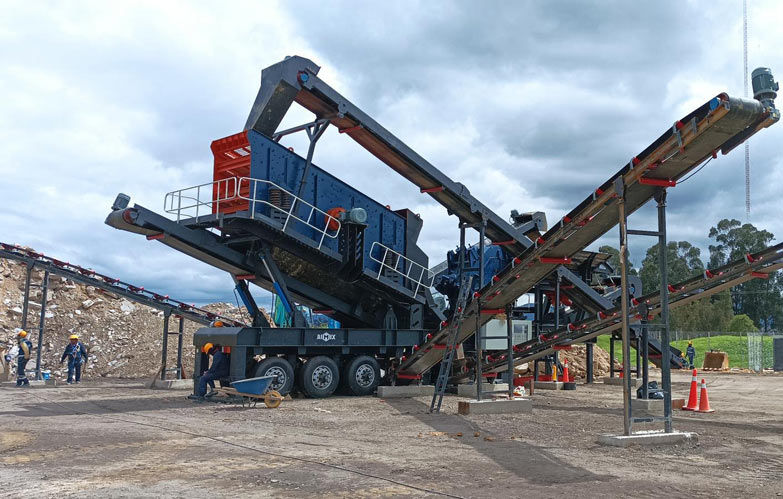
The aggregate industry rarely receives as much attention as sectors such as mining, oil, or manufacturing. However, aggregates are fundamental to nearly every infrastructure and construction project. Roads, bridges, housing, ports, and energy facilities all rely heavily on crushed stone, sand, and gravel. In Latin America, where many countries are accelerating infrastructure development, the aggregate industry has the potential to become an important engine of economic growth. Modern technologies such as efficient aggrgate plant(planta de agregados) systems, flexible equipment like mobile stone crusher units, and specialized machines including pebble crusher equipment are helping the industry increase production capacity and improve resource utilization.
The Strategic Importance Of Aggregates In Infrastructure Development
Infrastructure development is one of the most important drivers of economic growth in emerging markets. In Latin America, governments continue to invest in transportation networks, urban housing, and energy infrastructure.
All of these projects require large quantities of aggregates. A typical highway project, for example, may require hundreds of thousands of tons of crushed stone for road base layers and asphalt mixtures.
To meet this demand, aggregate producers must rely on efficient production systems such as a modern aggrgate plant capable of delivering stable output and consistent product quality.
Without reliable aggregate supply, infrastructure projects can experience delays and cost overruns. Therefore, improving the efficiency of aggregate production directly contributes to faster project execution and economic expansion.
Expanding Local Industrial Capacity
Beyond supporting construction projects, the aggregate industry also stimulates the development of local industrial capacity.
Job Creation In Quarry Operations
Aggregate production requires a wide range of skilled and semi-skilled workers, including equipment operators, maintenance technicians, logistics personnel, and quality control specialists.
Modern crushing equipment such as a mobile stone crusher(trituradora de piedra móvil) allows producers to establish operations even in remote areas near construction sites. This creates employment opportunities in regions that may otherwise have limited industrial activity.
Additionally, as aggrgate plant operations expand, they also generate indirect employment in transportation, equipment maintenance, and engineering services.
Development Of Equipment And Service Supply Chains
The growth of the aggregate sector also encourages the development of related industries. Equipment manufacturers, spare parts suppliers, and maintenance service providers all benefit from increased demand.
For example, specialized crushing machines such as a pebble crusher are used to process hard or rounded stones often found in riverbeds or mining byproducts. The use of such equipment requires technical expertise, spare parts support, and engineering services, which further strengthens local industrial ecosystems.
Improving Resource Utilization And Production Efficiency
Efficient use of natural resources is another factor that can enhance the economic impact of the aggregate industry.
Advanced Crushing Technologies
Modern aggrgate plant systems incorporate advanced crushing technology to improve production efficiency and reduce waste.
Key improvements include:
Optimized crusher chamber designs
Automated process control systems
High-capacity screening equipment
Efficient material handling systems
Equipment such as a mobile stone crusher allows producers to process materials closer to extraction sites or construction locations. This reduces transportation costs and increases overall efficiency.
Processing Different Types Of Raw Materials
Latin America has diverse geological resources, including granite, basalt, limestone, and river pebbles. Different rock types require specialized crushing equipment.
A pebble crusher(trituradora de piedra de río), for instance, is designed to process rounded or highly abrasive materials that may be difficult to crush with standard equipment.
By using the appropriate equipment configuration within an aggrgate plant, operators can process a wider range of raw materials and maximize resource utilization.
Supporting Regional Infrastructure Projects
One of the most direct ways the aggregate industry contributes to economic growth is by supporting large-scale infrastructure projects.
Road Construction And Transportation Networks
Transportation infrastructure is essential for economic development. Efficient road networks reduce logistics costs, improve market access, and stimulate regional trade.
Aggregate materials are critical for:
Road base layers
Asphalt pavement
Drainage systems
Bridge foundations
Mobile crushing solutions such as a mobile stone crusher allow contractors to produce aggregates directly near road construction sites, improving project efficiency and reducing transportation expenses.
Urban Expansion And Housing Development
Rapid urbanization across Latin America has created strong demand for residential housing and commercial buildings.
Every new building project requires concrete and construction aggregates. A well-equipped aggrgate plant ensures that construction companies have reliable access to the materials needed for urban expansion.
In addition, specialized equipment like a pebble crusher can process river stones or mining waste into usable construction materials, helping expand the supply of aggregates.

Encouraging Sustainable Industrial Development
Sustainability is becoming increasingly important for the long-term development of the aggregate industry.
Modern crushing plants are designed to reduce environmental impact while maintaining high productivity. Dust control systems, energy-efficient crushers, and recycling technologies are helping producers operate more responsibly.
Mobile equipment such as a mobile stone crusher also contributes to sustainability by reducing transportation distances and minimizing fuel consumption.
When aggrgate plant operators adopt these technologies, they not only improve operational efficiency but also align their activities with environmental standards and community expectations.
Unlocking The Full Potential Of The Aggregate Industry
Although the aggregate industry often operates behind the scenes, its impact on economic development is significant. By supplying essential materials for infrastructure, construction, and industrial projects, the sector plays a foundational role in supporting national growth.
Through the adoption of advanced crushing technologies, including efficient aggrgate plant systems, flexible equipment like mobile stone crusher units, and specialized machines such as pebble crusher equipment, Latin American producers can significantly increase production capacity and resource efficiency.
As infrastructure investment continues across the region, the aggregate industry has the potential to become a powerful yet often overlooked driver of economic growth, supporting both industrial development and long-term prosperity in Latin America.


留言