


How to Reduce Energy Consumption in Crushing Plant Production Lines?
- info515452
- 6月10日
- 讀畢需時 4 分鐘
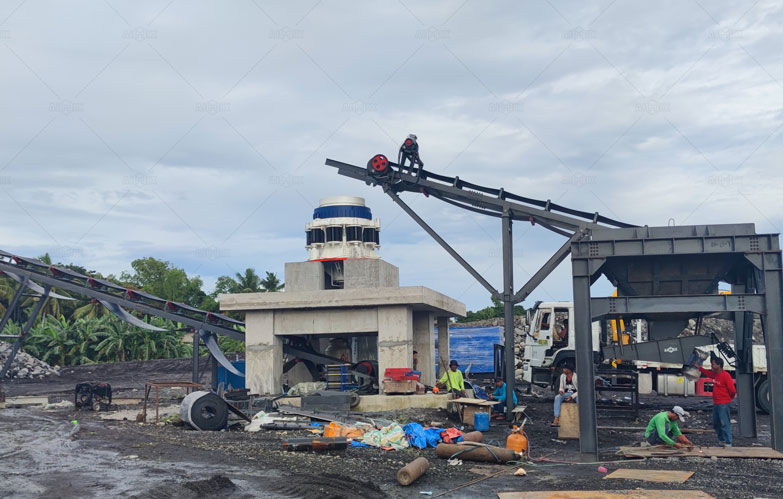
The global aggregate and mining industries are facing an era of rising operational costs and increasingly strict environmental regulations. Among the various challenges confronting quarry owners, energy consumption stands out as a primary driver of daily operating expenses. Heavy-duty material reduction is inherently an energy-intensive process, often consuming massive amounts of electricity and diesel fuel to transform large boulders into high-quality sand and gravel. To protect profit margins and meet sustainability goals, modern producers are actively searching for practical ways to optimize their processing setups. Investing in high-efficiency machinery is a highly effective starting point, leading many forward-thinking businesses to carefully evaluate a modern stone crusher plant for sale(planta trituradora de piedra en venta) that features energy-saving engineering layouts. By combining smart equipment selection with optimized material flow control, operators can dramatically slash their monthly utility bills while maintaining a highly productive, competitive extraction business.

Optimizing the Primary Crushing Stage for Power Efficiency
The initial stage of rock reduction requires the highest concentration of mechanical force, making it the most critical zone for energy optimization. Any efficiency gains achieved at the primary stage directly lower the operational stress placed on downstream equipment.
Strategic Selection of High-Efficiency Primary Compressors
The choice of primary equipment dictates the baseline power consumption of the entire processing line. For most hard rock operations, heavy-duty compression jaw units are chosen for their robust design and reliable reduction ratios. When evaluating capital investments, analyzing the jaw crusher price across different manufacturing tiers should always involve a deep dive into the motor's energy efficiency rating. A slightly higher initial jaw crusher price can often be recovered within the first two years of continuous operation through reduced electricity consumption, thanks to advanced flywheel designs that maximize inertial force and minimize the electrical load on the main motor.
Smart Feed Distribution and Choke Feeding
Running a primary system with an irregular or empty feed cavity is a major source of energy waste. When a machine runs empty, it continues to draw a substantial amount of electrical power without producing any crushed aggregate. Implementing automated variable-speed feeders ensures a continuous choke-feed condition, keeping the crushing chamber filled to its optimal level. This allows the rock-on-rock crushing action to absorb the majority of the kinetic energy, lowering the mechanical friction against the steel liners and reducing the net power consumed per ton of processed material.
Leveraging Mobility to Eliminate Transport Energy Waste
Energy optimization extends beyond the electrical grid of a fixed facility. Managing the fuel consumption of the haul truck fleet is equally vital to reducing the total carbon footprint of the mining footprint.
Reducing Truck Cycle Times with Flexible Crushing Units
In traditional mining layouts, massive haul trucks transport run-of-mine material over long distances from the active blast face to a centralized stationary facility, burning immense amounts of diesel fuel along the way. To solve this logistical problem, many modern operations are integrating a track-mounted mobile stone crusher(trituradora de piedra móvil) directly into the pit. Utilizing a self-propelled mobile stone crusher allows contractors to move the primary reduction stage right up to the blasting muckpile. The crushed material can then be transported out of the pit via highly efficient overland belt conveyors, which consume a fraction of the energy required by a fleet of heavy diesel dump trucks.
Creating a Strategic Hybrid Production Layout
For long-term quarry operations, a hybrid approach often yields the highest energy savings. By browsing a modern stone crusher plant for sale, operators can select a permanent modular setup for secondary sizing and washing, while pairing it with a transportable primary unit. This layout combines the high-tonnage stability of a stationary aggregate facility with the flexible, fuel-saving agility of pit-rim crushing.
Technical Innovations in Downstream Energy Control
Maximizing energy efficiency across secondary and tertiary stages requires a combination of smart mechanical components and real-time digital monitoring systems.
Implementing Variable Frequency Drives (VFDs)
Standard industrial electric motors are designed to run at a fixed, maximum speed, regardless of the actual material volume passing through the system. Installing variable frequency drives on conveyor belts, vibrating screens, and feeder systems allows these components to automatically adjust their operational speeds based on real-time load sensors. When the material flow thins out, the VFDs scale back the motor speeds, generating substantial electricity savings over a multi-shift operation.
Producers can optimize their downstream lines by implementing these practical adjustments:
Optimized Belt Conveyor Tensioning: Properly aligned and tensioned conveyor belts reduce rolling resistance, lowering the electrical draw on drive motors by up to 15%.
High-Throw Screen Media Upgrades: Replacing heavy wire mesh screens with lightweight polyurethane or rubber screen modules reduces the physical mass that the vibrating motors must agitate, improving separation efficiency while saving power.
Proactive Labyrinth Seal Maintenance: Ensuring that dust seals on critical bearing housings remain well-lubricated prevents micro-fine rock dust from entering the mechanical assemblies, eliminating internal friction that forces motors to work harder.
Dynamic Surge Capacity Balancing
Integrating inter-stage surge bins or buffer piles between the primary jaw crusher and secondary cone units acts as a mechanical shock absorber. These surge piles isolate individual machine fluctuations, preventing a minor pause at the final screening stage from forcing a total shutdown of the upstream primary equipment. Maintaining a steady, continuous material flow prevents the energy spikes associated with frequently stopping and restarting heavy-duty electric motors.
Securing Long-Term Economic and Environmental Rewards
Reducing energy consumption within aggregate production lines requires a structured approach that balances smart mechanical investments with disciplined operational habits. By prioritizing energy-efficient compression units, carefully balancing the initial jaw crusher price(trituradora de mandíbula precio) against long-term utility expenses, and leveraging the fuel-saving mobility of a track-mounted mobile stone crusher, quarry operators can successfully insulate their businesses from rising energy volatility. Whether you are building a custom facility from scratch or upgrading an existing layout by searching for a high-efficiency stone crusher plant for sale, focusing on power optimization guarantees a more resilient, low-risk business model. This comprehensive dedication to efficiency lowers your long-term production costs per ton, maximizes your resource utilization, and ensures your mining operation remains highly profitable and sustainable for years to come.


留言