


The Key Role of the Aggregate Industry in the Latin American Circular Economy System
- info515452
- 2月11日
- 讀畢需時 7 分鐘
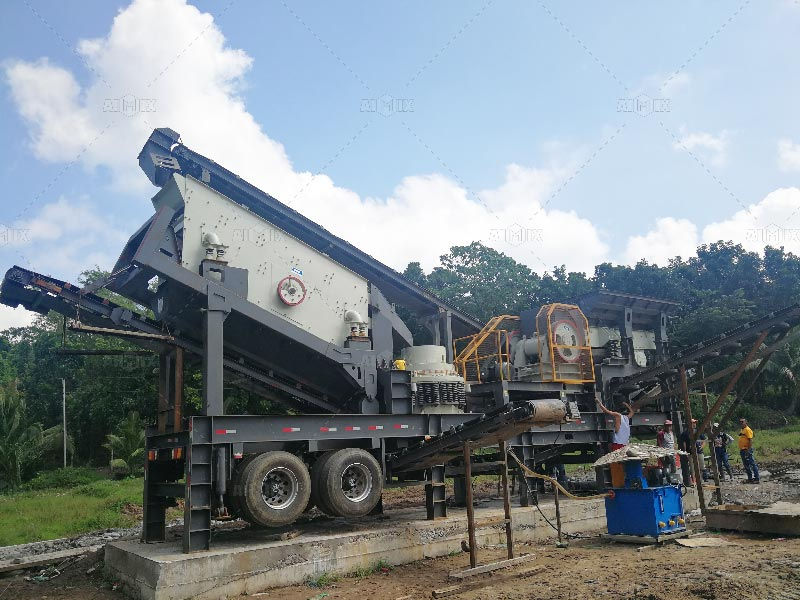
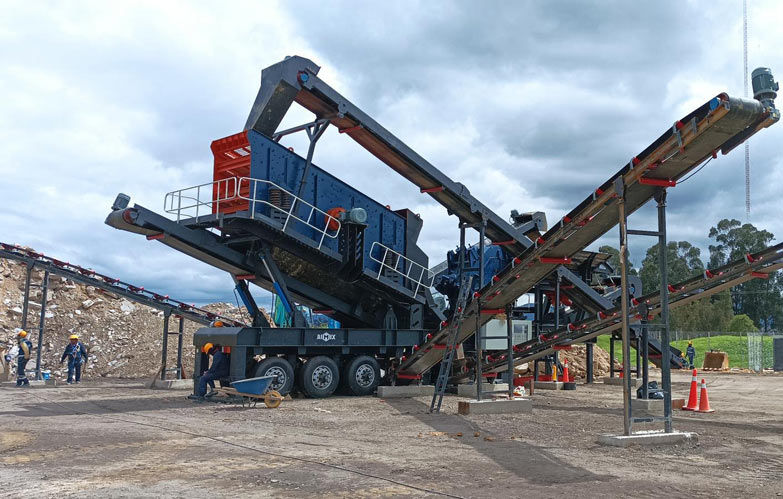
Across Latin America, from the reconstruction corridors of post-disaster Peru to the expanding urban peripheries of Colombia and the mining supply routes of northern Chile, a quiet transformation is underway. The region's aggregate industry—long perceived as a extractive commodity sector focused solely on crushing virgin rock—is emerging as an unexpected protagonist in the circular economy transition. This shift is not driven primarily by environmental idealism but by hard economic calculus. Waste streams that once represented disposal liability are now processed into specification aggregates. Demolition debris that clogged urban landfills feeds modern aggregate crusher plant(planta de agregados) operations. Mobile solutions deployed directly at remediation sites eliminate transport emissions while producing road base for the same infrastructure projects that generated the debris. The mobile stone crusher plant configured for urban mining and the secundary stone crusher engineered for recycled material processing are becoming essential instruments in Latin America's transition from linear extraction to circular material flow. This article examines how aggregate producers across the region are positioning their operations at the center of the circular economy system, creating both environmental value and competitive advantage.
Redefining Waste as Feedstock
The Scale of the Opportunity
Latin America generates approximately 550,000 tons of construction and demolition waste daily, the vast majority destined for uncontrolled disposal. This material stream contains recoverable aggregates in proportions ranging from 60 to 85 percent. Each ton of CDW processed through an aggregate crusher plant represents one ton of virgin extraction avoided, one ton of landfill capacity preserved, and one ton of transport emissions eliminated.
Forward-thinking operators are positioning mobile stone crusher plant(planta movil de trituracion) units directly at demolition sites and construction waste transfer stations. These configurations eliminate the double handling that historically rendered recycled aggregate uneconomic. A secundary stone crusher configured with closed-circuit screening produces specification 19-millimeter and 9.5-millimeter fractions indistinguishable from virgin materials in lower-specification applications. The aggregate crusher plant that masters recycled feedstock transforms waste management expense into raw material profit center.
Quality Perception and Market Acceptance
Historical resistance to recycled aggregates in Latin American construction markets reflected legitimate quality concerns from poorly processed materials. Early recycled aggregate crusher plant operations produced inconsistent gradation, excessive fines, and contaminant inclusions.
Contemporary mobile stone crusher plant configurations equipped with advanced contaminant removal systems—magnetic separation, air density separators, and manual picking stations—deliver recycled products meeting technical specifications for road base, drainage layers, and non-structural concrete. The secundary stone crusher with hydraulic setting adjustment compensates for feed variability inherent in recycled material streams.
Progressive Latin American specification authorities now explicitly permit recycled aggregates in designated applications. Contractors bidding on public infrastructure projects increasingly specify recycled content as both cost reduction measure and environmental compliance credential. The aggregate crusher plant positioned to supply these verified recycled products captures margin unavailable to virgin-only producers.

Urban Mining and Infrastructure Symbiosis
Demolition-to-Reconstruction Loops
The most elegant circular economy applications close loops within single infrastructure programs. When a highway widening project generates 150,000 tons of demolished concrete pavement, the mobile stone crusher plant deployed adjacent to the alignment processes this material into road base for the same project's new lanes.
This approach eliminates three cost centers simultaneously: landfill disposal fees for demolished material, virgin aggregate purchase for new construction, and haulage expense for both waste removal and material delivery. A secundary stone crusher(trituradora secundaria) configured for base course production operates at 250 tons per hour, processing the entire demolition volume within a single construction season. The aggregate crusher plant never produces a ton for commercial sale—yet delivers project savings exceeding $2 million while eliminating 12,000 truck movements from local roads.
Several Chilean contractors have institutionalized this methodology, maintaining dedicated mobile stone crusher plant fleets specifically for demolition recovery. Their secundary stone crusher units, configured for rapid relocation and minimal setup requirements, move continuously between project sites. The aggregate crusher plant transforms from fixed industrial installation to mobile service provider, its value proposition defined not by production volume but by waste elimination capability.
Industrial Symbiosis Networks
Beyond individual projects, Latin American aggregate producers are participating in industrial symbiosis networks that exchange byproduct streams across sector boundaries. A secundary stone crusher producing manufactured sand generates controlled fines fractions. These ultrafine materials, historically discarded as waste, serve as cement replacement in concrete production and filler in asphalt mastic.
In Brazil's São Paulo industrial complex, an aggregate crusher plant supplies its entire fines output to a neighboring precast concrete manufacturer under long-term off-take agreement. The mobile stone crusher plant serving peri-urban development zones in Mexico City delivers screened overburden material to brick manufacturers for structural fill applications.
These arrangements convert aggregate crusher plant waste streams into revenue while reducing the partner industries' raw material extraction footprint. The secundary stone crusher configured for precise fines control enables this valorization; uncontrolled crusher dust lacks the consistency industrial users require.
Mining Waste Valorization
Tailings and Overburden Processing
Latin America's mining heritage has generated billions of tons of disposed materials containing recoverable aggregate fractions. Historical mine tailings, waste rock dumps, and overburden stockpiles represent both environmental legacy liability and untapped resource inventory.
Modern aggregate crusher plant configurations processing mining waste must accommodate extreme abrasion and variable feed characteristics. Secundary stone crusher units in these applications utilize manganese alloy metallurgy and extended wear part intervals. Mobile stone crusher plant configurations enable progressive site rehabilitation; as the aggregate crusher plant processes one stockpile area, rehabilitated land emerges behind it.
Peruvian operators processing tailings from historic mining operations simultaneously produce construction aggregates for regional infrastructure and enable site remediation that transfers environmental liability to productive land use. The secundary stone crusher in this application delivers both economic return and environmental closure—circular economy principle embodied in rotating metal and moving rock.
Artisanal Mining Integration
Across Colombia and Brazil, artisanal and small-scale mining operations produce substantial aggregate tonnage with limited environmental controls. Formal aggregate crusher plant operators are developing partnership models that aggregate production from multiple small sources, providing centralized secundary stone crusher processing and quality certification.
This model improves environmental performance across the sector while providing artisanal miners access to formal markets. The mobile stone crusher plant deployed to remote mining zones processes stockpiled material and departs, leaving improved practices and market connections. Circular economy at this scale encompasses not only material flow but social and economic inclusion.
Water and Energy Circularity
Closed-Loop Water Systems
The aggregate crusher plant configured for circular economy principles eliminates process water discharge entirely. High-rate thickeners and filter presses recover 95 percent of process water while producing stackable filter cake. This cake, historically a disposal liability, increasingly serves as raw material for cement kilns and manufactured soil applications.
Water-scarce regions including Peru's coastal desert and Chile's Atacama region have driven this technology adoption. Mobile stone crusher plant operations in these environments achieve water autonomy through closed-loop design, eliminating both supply vulnerability and discharge compliance burden. The secundary stone crusher requires no water for its operation; the circular water system serves screening and washing circuits.
Several aggregate crusher plant operators in water-stressed zones now function as net water exporters, supplying surplus recovered water to adjacent agricultural operations. This transforms the aggregate crusher plant from water consumer to water steward—a profound repositioning of environmental identity.
Energy Recovery and Efficiency
Circular economy principles extend beyond materials to energy. Aggregate crusher plant operations generate substantial heat through rock-on-rock impact in secundary stone crusher chambers and drive motor thermal losses. Progressive operators capture this thermal energy for space heating, bitumen tank warming in adjacent asphalt plants, or feed water preheating.
The mobile stone crusher plant, constrained by transport weight limits, utilizes high-efficiency direct drive systems that eliminate transmission losses inherent in belt-driven configurations. These efficiency improvements reduce both operating cost and carbon intensity per ton produced.
Regulatory Evolution and Market Incentives
Extended Producer Responsibility
Latin American waste framework legislation increasingly incorporates extended producer responsibility principles. Construction material producers, including aggregate crusher plant operators supplying concrete and asphalt producers, face growing obligations to participate in end-of-life material management.
Forward-thinking aggregate companies are positioning mobile stone crusher plant capacity as compliance solution for their customers. By offering demolition material processing services, the aggregate crusher plant operator captures the economic value of circularity while providing regulated customers with verifiable compliance. The secundary stone crusher becomes not merely production equipment but regulatory risk management instrument.
Green Public Procurement
Public infrastructure spending across Latin America increasingly incorporates environmental award criteria. Contractors bidding on road, bridge, and public works projects earn evaluation points for demonstrated recycled content utilization, waste minimization plans, and supply chain carbon reporting.
Aggregate crusher plant operators capable of supplying certified recycled aggregates and documenting environmental attributes of their production processes become preferred suppliers to these contractors. The mobile stone crusher plant deployed to demolition sites generates material with zero transport emissions and full traceability—attributes increasingly valuable in competitive bidding.
Technology Enablers of Circular Transition
Sensor-Based Sorting
Advanced aggregate crusher plant configurations now incorporate sensor-based sorting technologies that detect and eject contaminant materials with precision impossible for manual sorting. Near-infrared sensors identify wood, plastic, and gypsum particles. Electromagnetic sensors reject metallic contaminants. Color sorters remove non-conforming lithologies.
These technologies enable secundary stone crusher operations to accept more variable feed stocks while maintaining product quality specifications. The mobile stone crusher plant equipped with sensor sorting processes mixed demolition debris that previously required extensive front-end separation, dramatically expanding addressable feedstock volumes.
Digital Material Passports
Several Latin American aggregate crusher plant operators are participating in digital material passport initiatives that document the composition, origin, and processing history of construction materials. These passports enable future deconstruction and recovery by providing clear information about material characteristics.
When a building constructed with secundary stone crusher aggregates reaches end of life decades hence, its material passport will specify the aggregate crusher plant that produced each component, the feedstock types utilized, and the processing parameters applied. This information enables informed recovery decisions and maintains material value across multiple use cycles.
Building the Circular Aggregate Enterprise
The aggregate industry's position in Latin America's circular economy transition is not peripheral but central. No other sector controls comparable feedstock volumes, processing infrastructure, or material expertise. The aggregate crusher plant configured for recycled material processing, the mobile stone crusher plant deployed to demolition sites, and the secundary stone crusher engineered for variable feed characteristics are not merely environmental accommodations. They are competitive instruments enabling access to lower-cost feedstocks, differentiation in increasingly sophisticated markets, and operational resilience against virgin resource constraints.
Latin American aggregate producers who embrace circular economy principles discover that environmental performance and economic performance are not trade-offs requiring balance but complementary outcomes flowing from the same operational discipline. Waste elimination reduces both disposal expense and raw material purchase. Local material recovery eliminates transport cost and carbon liability simultaneously. Product diversification into recycled grades expands addressable markets while reducing virgin extraction pressure.
The aggregate crusher plant operator who views demolition debris not as waste but as urban ore, who configures secundary stone crusher circuits for feedstock flexibility rather than single-source optimization, who deploys mobile stone crusher plant units as service offerings rather than fixed assets—this operator does not merely participate in the circular economy. They actively construct it, ton by recovered ton, project by closed-loop project, transforming both their enterprise and the region's material future. In the complex, resource-constrained, opportunity-rich infrastructure environment of contemporary Latin America, this circular capability separates aggregate industry leaders from followers, and enduring enterprises from transitional participants.


留言