


Comparative Applications of Different Aggregate Forms in Concrete and Asphalt Production
- info515452
- 2025年10月23日
- 讀畢需時 4 分鐘
Aggregates are the backbone of modern construction, providing strength, stability, and durability to both concrete and asphalt structures. However, not all aggregates are created equal. The form, size, and texture of aggregates significantly influence the performance of the final material. With the growth of infrastructure projects across Latin America, understanding the comparative applications of different aggregate forms is critical for maximizing efficiency, ensuring quality, and reducing costs. Modern equipment such as the aggregate crusher plant(planta de agregados), concrete crusher, and rock crusher play a vital role in producing aggregates tailored to specific applications.
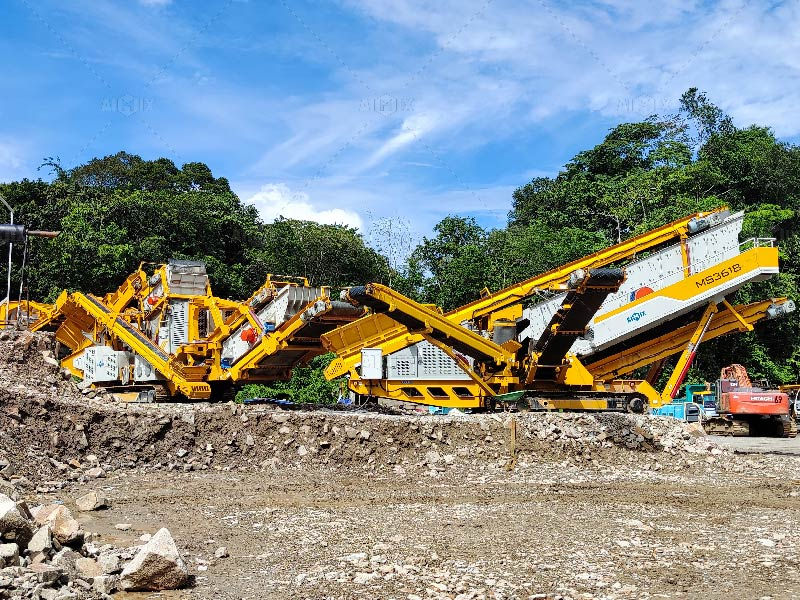
The Role of Aggregates in Construction Materials
Aggregates constitute roughly 60–75% of the volume in concrete and 90–95% in asphalt pavements. They provide compressive strength, enhance durability, and control shrinkage in concrete, while in asphalt, they improve load distribution, rut resistance, and friction properties.
Different forms of aggregates—ranging from natural river sand and gravel to crushed stone and recycled concrete—serve distinct purposes. Selecting the right form of aggregate depends on project requirements, environmental conditions, and material availability. Improper selection can lead to structural deficiencies, premature wear, or higher maintenance costs.
Comparing Aggregate Forms
Natural Aggregates
Natural aggregates, such as river sand, gravel, and crushed rock, are widely used in both concrete and asphalt production. Their relatively rounded shape and smooth texture make them ideal for high-workability concrete mixes. In asphalt, coarse natural aggregates provide better interlocking and friction, essential for road surfaces exposed to heavy traffic.
While natural aggregates are often easy to source in riverine regions, they can be inconsistent in size and may contain impurities. Therefore, processing through a rock crusher or aggregate crusher plant is often necessary to ensure uniformity and compliance with project specifications.
Crushed Aggregates
Crushed aggregates are produced by breaking down large rocks into smaller, angular pieces using concrete crushers(trituradora de hormigón) or rock crushers. Their angularity enhances bonding in concrete mixes, providing higher compressive strength and reduced shrinkage. In asphalt, crushed aggregates improve interlocking and shear strength, making them ideal for base and sub-base layers.
Crushed aggregates are particularly valuable in Latin America, where infrastructure projects frequently require durable materials for roads, bridges, and heavy-duty pavements. Their consistency in size and shape ensures predictable performance in both concrete and asphalt applications.
Recycled Aggregates
Recycled aggregates, derived from demolished concrete or asphalt, are gaining popularity due to sustainability concerns and cost advantages. While their particle shapes can vary, modern crushing and screening technologies ensure that recycled aggregates meet project specifications. Concrete crushers and mobile aggregate crusher plants are used to process old concrete into reusable aggregates, promoting circular construction practices.
Recycled aggregates are suitable for non-structural concrete, road base layers, and other secondary applications. Their use reduces the demand for natural resources while minimizing construction waste, aligning with environmental regulations and green construction trends in Latin America.
Specific Applications in Concrete Production
High-Strength Structural Concrete
For high-strength concrete used in bridges, columns, and industrial floors, angular crushed aggregates provide better bonding with cement paste, resulting in higher compressive strength and reduced cracking. A concrete crusher ensures that raw materials are processed to precise gradations, allowing engineers to achieve desired performance parameters consistently.
Ready-Mix Concrete
In residential and commercial construction, ready-mix concrete often requires a combination of natural sand and crushed aggregates to achieve workability, durability, and aesthetic finish. Using an aggregate crusher plant allows producers to adjust the particle size distribution to meet client specifications while maintaining consistent quality across multiple batches.
Specific Applications in Asphalt Production
Surface Courses
Surface asphalt layers require aggregates with high abrasion resistance and proper friction properties. Crushed aggregates with angular shapes provide the necessary interlocking for skid resistance and durability. Mobile rock crushers(trituradora de rocas) enable on-site processing of materials, ensuring the availability of properly graded aggregates for large paving projects in remote areas.
Base and Sub-Base Layers
For base and sub-base layers, coarser aggregates with consistent gradation are essential to distribute loads and prevent settlement. Aggregate crusher plants are particularly effective in producing large volumes of uniform aggregates for these layers, supporting heavy traffic and industrial applications.
Advantages of Using Advanced Crushing Equipment
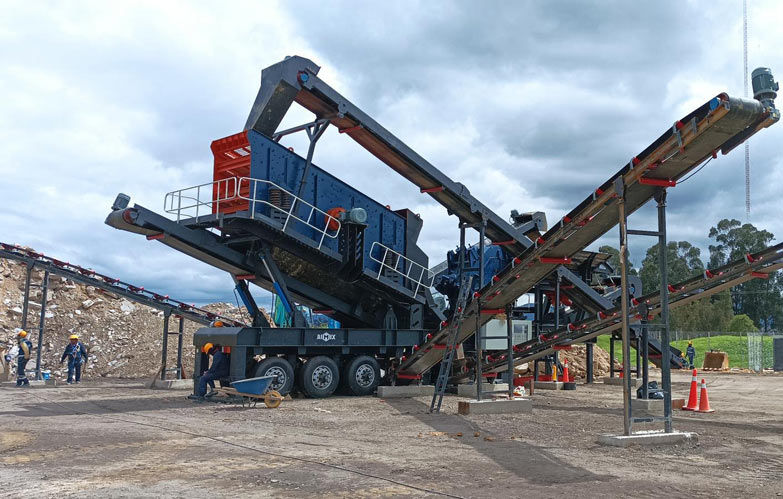
Modern equipment like aggregate crusher plants, concrete crushers, and rock crushers not only produce aggregates in desired forms and sizes but also enhance operational efficiency. They reduce manual labor, increase production speed, and allow real-time adjustments to particle size distribution. In Latin America, where construction projects are often in challenging terrains or remote locations, mobile crushing units enable producers to bring processing capabilities directly to the site, reducing transportation costs and lead times.
Additionally, controlled crushing processes improve material consistency, reduce fines and dust, and extend the service life of aggregates in concrete and asphalt. These benefits ultimately translate into stronger structures, longer-lasting pavements, and higher project profitability.
Conclusion
Understanding the comparative applications of different aggregate forms is essential for construction success. Natural, crushed, and recycled aggregates each have unique advantages that make them suitable for specific concrete and asphalt applications. With the support of modern equipment such as aggregate crusher plants, concrete crushers, and rock crushers, producers in Latin America can ensure consistent quality, optimize material usage, and meet growing infrastructure demands efficiently. By carefully selecting the right aggregate form for each application, contractors and material suppliers can improve performance, sustainability, and profitability across the construction industry.

留言