


Geopolitical Risks in Latin America and Global Opportunities in the Stone Crushing Plant Industry
- info515452
- 2025年10月13日
- 讀畢需時 5 分鐘
Latin America is rich in natural resources, and its mining and aggregates industries are vital to both regional and global supply chains. However, the region is also known for its geopolitical risks, which can pose challenges to businesses operating in industries such as stone crushing and aggregate production. Despite these risks, the global demand for aggregates and the growing infrastructure sector offer significant opportunities for companies in the stone crusher plant(planta de trituracion de piedra) industry. This article explores the geopolitical risks faced by the Latin American stone crushing sector and the global opportunities available to businesses.

Geopolitical Risks in Latin America
Latin America has long been a region of geopolitical instability, with issues such as political unrest, economic volatility, and regulatory changes impacting industries. These risks are particularly relevant for businesses in sectors like mining and aggregates, where operations are often in remote or politically sensitive areas.
Political Instability and Regulatory Changes
One of the most significant geopolitical risks in Latin America is political instability. Several countries in the region have faced changes in leadership, often accompanied by shifts in economic policies and regulations. For example, changes in government policies can affect the mining sector’s regulatory framework, including environmental regulations, mining licenses, and taxes. These shifts can disrupt the operations of aggregate crusher plants(planta trituradora de agregados) and stone crusher plants, creating uncertainty for businesses.
Regulatory changes may also include stricter environmental laws, which can increase operational costs for stone crusher plant operators. For example, laws related to emissions control, noise pollution, or dust suppression may require companies to invest in more advanced technologies, such as automated mobile stone crushers with dust control systems.
Economic Instability and Inflation
Many Latin American countries are prone to economic instability, characterized by inflation, currency devaluation, and fluctuating commodity prices. Economic instability can lead to higher operating costs, especially for industries that rely on imports for key components, such as crushers and spare parts.
Inflation can also affect labor costs, and currency devaluation may make it more expensive to finance equipment purchases or import materials. For example, the cost of a mobile stone crusher could increase significantly if the local currency weakens against major global currencies. This economic volatility creates challenges for businesses trying to maintain profitability and operational stability.
Social Unrest and Labor Strikes
Social unrest is another concern in Latin America. Labor strikes, protests, and social movements can disrupt the operations of mining and construction companies, including those that operate aggregate crusher plants. Disruptions to transportation routes, delays in equipment delivery, or the temporary closure of facilities can result in substantial financial losses.
Companies operating in politically sensitive areas may also face risks to their workers' safety and local community relations. For example, protests against mining or infrastructure projects can escalate into violent conflicts, affecting operations and public image.
Global Opportunities in the Stone Crushing Plant Industry
Despite the geopolitical risks, the global demand for aggregates, driven by urbanization, infrastructure development, and construction, presents significant opportunities for stone crusher plant operators. As infrastructure projects grow worldwide, especially in emerging markets, businesses can expand their reach and take advantage of global trends.
Growing Demand for Aggregates
The global demand for aggregates has been steadily increasing, driven by infrastructure projects in both developed and developing countries. In particular, markets in Asia, the Middle East, and Africa are seeing rapid urbanization and development of large-scale infrastructure projects such as roads, airports, and residential complexes. This growth presents significant opportunities for the stone crusher plant industry to expand its customer base.
The demand for high-quality aggregates in these markets is fueling the need for advanced aggregate crusher plants that can process large quantities of material efficiently. Companies that invest in cutting-edge technologies and equipment, such as mobile stone crushers, will be well-positioned to meet the needs of international markets.
Technological Advancements in Crushing Equipment
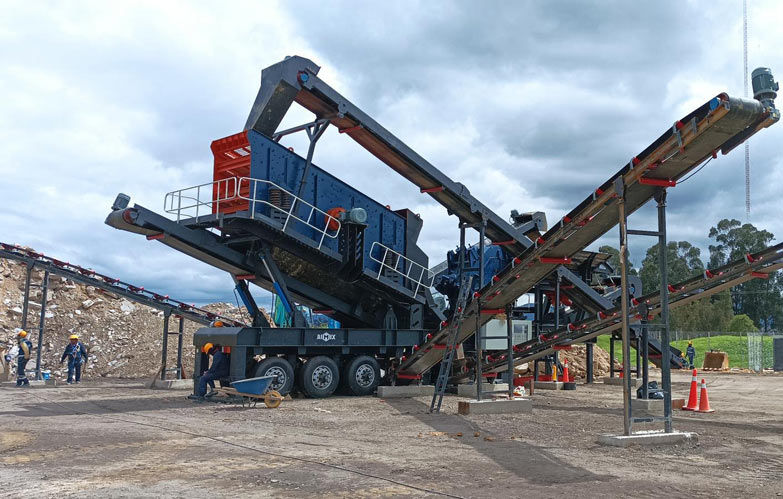
The stone crushing industry is also benefiting from technological advancements that improve efficiency, reduce environmental impact, and enhance safety. For example, mobile stone crushers(trituradora movil de piedra) are becoming increasingly popular due to their mobility, ease of use, and ability to perform well in various environments.
These mobile crushers allow companies to provide aggregate production services directly at construction sites, reducing transportation costs and time. Additionally, they offer flexibility in handling different types of materials, which is crucial for meeting diverse customer needs in both local and international markets.
Investing in modern crushing technologies not only increases operational efficiency but also helps companies stay competitive in a global market that increasingly values sustainability. Innovations such as energy-efficient crushers, automated monitoring systems, and dust suppression technologies can enhance the overall environmental performance of stone crusher plants, making them more attractive to international clients.
Expanding to Emerging Markets
As emerging markets continue to invest in infrastructure, the global demand for aggregates is expected to rise. Countries in Latin America, Africa, and Asia are particularly focused on large-scale infrastructure projects, which will drive the need for more crushing plants.
In Latin America, despite the geopolitical risks, countries like Brazil, Chile, and Mexico are seeing robust infrastructure investments. Companies that can navigate these risks by building strong local partnerships, offering innovative solutions, and ensuring compliance with environmental regulations will find substantial opportunities for growth.
Similarly, other emerging markets outside of Latin America, including parts of Africa and Southeast Asia, are poised for rapid infrastructure development. These regions often lack sufficient local production of aggregates, creating a gap in supply that companies operating stone crusher plants can fill by exporting or establishing local production facilities.
Coping with Geopolitical Risks While Capitalizing on Global Opportunities
Given the geopolitical risks in Latin America, businesses need to adopt strategies that allow them to mitigate these risks while still taking advantage of the opportunities available in the stone crusher plant industry.
Diversifying Operations and Expanding Globally
One of the best strategies for mitigating geopolitical risks is to diversify operations across different regions. Companies can reduce their exposure to political and economic instability by establishing a presence in multiple markets, both within Latin America and beyond. For example, expanding into regions like Southeast Asia, the Middle East, or sub-Saharan Africa allows businesses to tap into high-demand markets while spreading their risk across different geographical areas.
Strategic Partnerships and Local Knowledge
Forming strategic partnerships with local firms can help businesses navigate regulatory challenges and reduce the risks associated with political instability. Partnering with local suppliers, contractors, and stakeholders provides valuable insights into local regulations, business practices, and market dynamics.
By collaborating with established local companies, businesses can more easily overcome operational challenges and ensure the smooth implementation of aggregate crusher plants in these regions.

Conclusion
While Latin America presents notable geopolitical risks for businesses in the stone crusher plant industry, it also offers immense opportunities for growth. The global demand for aggregates continues to rise, fueled by infrastructure projects and urbanization, creating an attractive market for companies willing to invest in advanced crushing technologies and expand into emerging markets.
By diversifying operations, embracing technological innovations, and forming strategic local partnerships, businesses can navigate the challenges of political instability and economic volatility while capitalizing on global opportunities in the mobile stone crusher and aggregate production markets. As long as businesses remain adaptable and proactive, the future of the stone crushing industry looks promising on a global scale.

留言