


From Equipment Sales to Overall Solutions: Upgrading the Business Model of Mobile Crushing Plants
- info515452
- 1月27日
- 讀畢需時 5 分鐘
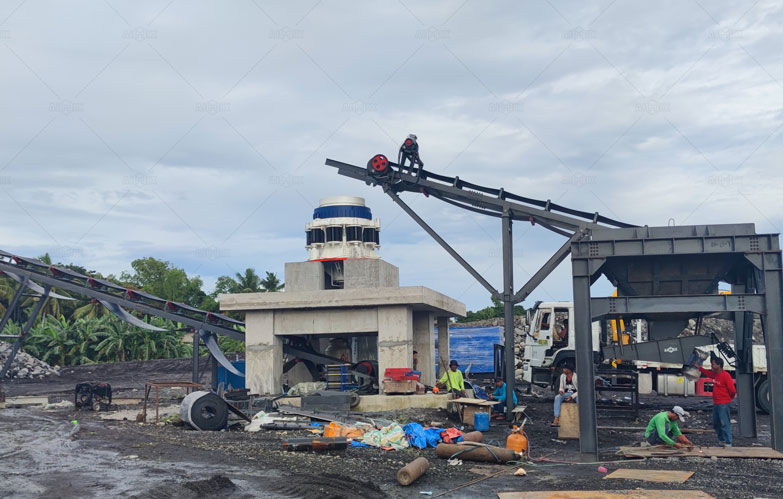
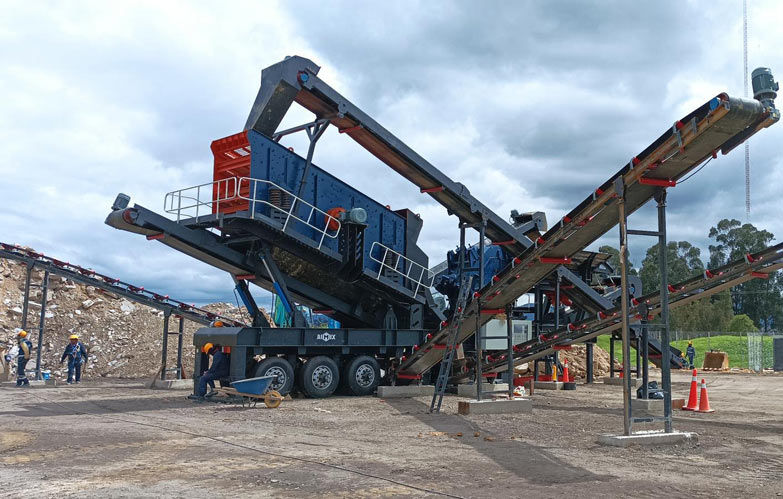
The global aggregate industry is undergoing a significant transformation. Traditionally, the relationship between equipment manufacturers and quarry or mining operators has been transactional, centered on the sale of a piece of machinery—a mobile stone crusher plant(planta movil de trituracion) or a stationary aggregate crusher plant. However, driven by market pressures, technological complexity, and a focus on total operational cost, the industry is witnessing a paradigm shift. The most forward-thinking manufacturers and dealers are no longer just selling hardware; they are partnering with clients to deliver comprehensive, performance-based solutions. This evolution from a pure equipment sales model to an integrated service and solution provider model represents the future of the crushing sector, offering new avenues for value creation, customer loyalty, and sustained profitability.

The Limitations of the Traditional Transactional Model
For decades, the business model was straightforward: a customer identified a need, evaluated specifications and prices from various suppliers, and purchased a machine. The relationship often diminished post-sale, resurfacing primarily for spare parts or reactive repairs. This model presents several critical limitations in today's competitive landscape.
Misaligned Incentives: In a pure sales model, the manufacturer's primary goal is to move units. This can lead to equipment being sold that is not perfectly optimized for the specific feed material (like a hard granite versus a softer limestone) or the desired final product gradations, leading to suboptimal performance for the operator.
Focus on Capex, Not Opex: The negotiation centers almost exclusively on the capital expenditure (CapEx) – the purchase price of the pebble crusher or screening unit. However, the operator's real costs are in the ongoing operational expenditure (Opex): fuel consumption, wear part costs, maintenance labor, and unplanned downtime. A cheaper machine can become far more expensive if its efficiency is low or its reliability is poor.
The Burden of Expertise Shifts Entirely to the Operator: Operating and maintaining a sophisticated modern crushing circuit requires significant expertise. The traditional model leaves the quarry owner to source and manage this expertise independently, a challenge exacerbated by a global shortage of skilled technicians.
The Pillars of the Modern Solution-Based Model
The new business model addresses these limitations by building a deeper, more collaborative partnership. It is structured around several key pillars that extend the manufacturer's role throughout the equipment's lifecycle.
Consultative Design and Site-Specific Optimization
The process begins long before a specific machine is chosen. Solution providers act as consultants, conducting in-depth site analyses. This involves testing feed material characteristics, understanding production volume targets, and analyzing desired end-product specifications. The outcome is not just a recommendation for a mobile stone crusher plant, but a proposed circuit configuration—perhaps a jaw crusher and cone crusher combination, or the integration of a specialized pebble crusher for tertiary reduction—that is engineered for maximum yield and efficiency at that particular site. This consultative approach ensures the hardware solution is perfectly matched to the application.
Lifecycle Service and Performance Agreements
This is the cornerstone of the solution model. Instead of a one-time sale, providers offer comprehensive service contracts that cover the entire lifecycle of the aggregate crusher plant(planta trituradora de agregados). These can range from basic scheduled maintenance plans to full-scope Performance-Based Agreements.
Guanteed Uptime Contracts: The provider guarantees a certain percentage of operational availability (e.g., 95% uptime), taking direct financial responsibility for any shortfall.
Cost-Per-Ton Agreements: The business relationship is fundamentally transformed. The customer pays a fixed fee for every ton of material processed. This perfectly aligns incentives: the provider is motivated to maximize output and minimize downtime, as their revenue depends on it. It turns equipment from a cost center into a predictable production partner.
Remote Monitoring and Predictive Maintenance: Utilizing IoT sensors and telematics, the provider monitors equipment health in real-time from a central Operations Center. They can predict failures before they happen (e.g., noting rising bearing temperatures in a crusher), schedule maintenance during planned stoppages, and dispatch parts and technicians proactively, drastically reducing unexpected breakdowns.
Integrated Technology and Operational Support
The solution extends beyond mechanical service to include the digital and human elements of operation.
Advanced Automation Systems: Providing not just the crushers, but the integrated control systems that automate the entire plant, optimizing crusher settings, feeder rates, and conveyor speeds for peak efficiency and consistent product quality.
Training and Knowledge Transfer: Offering extensive training programs for the customer's operational and maintenance staff, ensuring they have the knowledge to run the equipment effectively and safely.
Wear Part and Inventory Management: Managing the customer's inventory of critical wear parts like mantles, concaves, and jaw dies. Using crushing chamber wear analytics, the provider can predict when parts need changing and have them on site exactly when required, optimizing part life and minimizing inventory carrying costs for the customer.
Tangible Benefits for Aggregate Producers
Adopting this partnership model delivers clear, measurable advantages for quarry and mine operators.
Predictable Operating Costs: Models like Cost-Per-Ton transform variable, unpredictable Opex into a fixed, known cost per unit of production, simplifying budgeting and financial forecasting.
Maximized Production and Uptime: With the provider's incentives aligned to output, the producer benefits from a relentless focus on efficiency and equipment availability. Proactive maintenance driven by remote data directly increases annual production volumes.
Access to Cutting-Edge Expertise and Technology: Producers gain a direct line to the manufacturer's engineering and application expertise without needing to hire it in-house. They also benefit from continuous software updates and process optimizations.
Reduced Operational Risk: Financial and performance risks associated with equipment failure, technological obsolescence, and skills shortages are significantly transferred to or shared with the solution provider.
Implementing the Transition: A Guide for Manufacturers
For equipment manufacturers and dealers, this shift requires a fundamental reorganization of business strategy, capabilities, and culture.
Develop Deep Application Engineering Skills: The sales force must evolve into solution engineers, capable of understanding complex site logistics and material science.
Build a Robust Data and IoT Infrastructure: Investing in a secure, scalable platform for remote equipment monitoring and data analytics is non-negotiable. This platform is the central nervous system of the new service model.
Restructure Finance and Risk Management Teams: New models like Cost-Per-Ton require sophisticated risk assessment tools to price contracts accurately and manage the financial exposure of guaranteed performance.
Cultivate a Long-Term Partnership Culture: Every employee, from field technicians to executives, must be aligned with a philosophy centered on long-term customer success, rather than short-term sales quotas.
The Future is Integrated
The trajectory for the mobile crushing industry is clear. The value is migrating from the physical asset itself to the guaranteed outcome it delivers. The most successful companies will be those that transition from being manufacturers of mobile stone crusher plants and aggregate crusher plant components to being architects of productivity. They will sell not just a pebble crusher(trituradora de piedra de río), but peace of mind, predictable costs, and optimized production. For aggregate producers, this evolution presents an opportunity to focus on their core competencies—resource management, market development, and logistics—while partnering with experts to manage their most critical production asset. This collaborative, solution-oriented approach is not merely an upgrade to a business model; it is the foundation for the next era of efficiency and growth in the global aggregates sector.

留言