


From NIMBY to Co-construction: How Latin American Aggregate Projects Gain Community Support
- info515452
- 2月3日
- 讀畢需時 5 分鐘
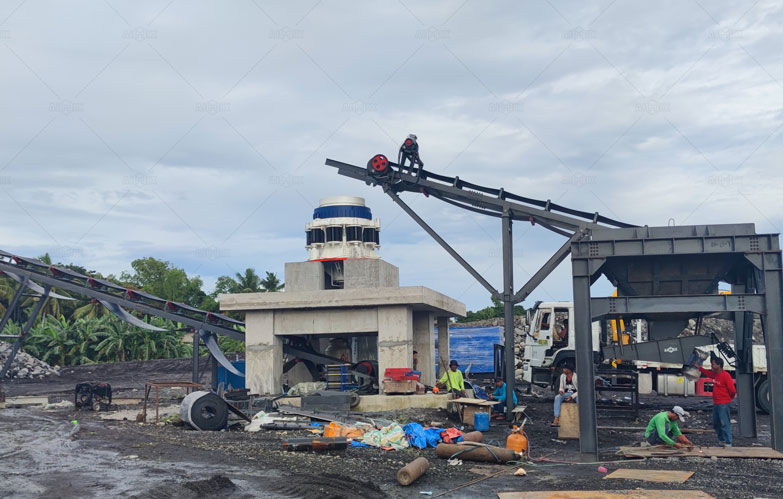
Across Latin America, the development of aggregate resources is essential for building the roads, schools, and homes that drive economic growth. Yet, these projects are increasingly met with the global challenge of "Not In My Backyard" (NIMBY) opposition. Communities near proposed quarries and processing sites voice legitimate concerns about dust, noise, truck traffic, and environmental impacts, often leading to costly delays, legal battles, and social conflict. For developers, the initial project planning must now extend far beyond geological surveys and equipment selection for the aggregate crusher plant(planta de agregados). The traditional model of securing a permit and imposing an operation on a landscape is no longer viable. A profound shift is underway, from confrontation to collaboration, from NIMBY to co-construction. The most successful projects now view the local community not as an obstacle to be overcome, but as a vital stakeholder whose engagement, from the earliest stages, is critical to obtaining and maintaining a social license to operate. This transformation hinges on proactive communication, tangible local benefits, and innovative operational planning that directly addresses community concerns, including the strategic use of technology like a modern mobile stone crusher plant to minimize the project's physical and social footprint.
Understanding the Roots of Opposition: More Than Just "Noise"
To move beyond NIMBY, project developers must first genuinely understand the multifaceted nature of community concerns, which often extend beyond simple annoyance. The very presence of an aggregate crusher plant symbolizes industrial intrusion, making initial perceptions critical.
The Fear of Environmental and Health Degradation
Foremost are worries about air quality from silica dust generated at the aggregate crusher plant, contamination of water sources from runoff or fuel spills, and the health impacts of constant particulate matter. Noise pollution from blasting, crushing, and trucking disrupts daily life. Communities fear irreversible damage to their local environment and a decline in their quality of life and property values. These are not trivial concerns; they are fundamental to community well-being and are directly tied to the operation's design and mitigation measures.
The Perceived Burden Without Benefit
Historically, many extractive projects have been seen as "enclave economies." They extract local resources, create some jobs (often not for locals), and export the value, leaving behind only the negative externalities: damaged roads from heavy trucks, strained local services, and environmental legacy issues. When a community perceives that it bears all the risks and costs while receiving few tangible, lasting benefits, opposition is a rational, predictable response to the arrival of any new industrial site, including a portable stone crusher plant.
The Pillars of Co-construction: Building Trust Through Action
Gaining community support is a process, not a one-time event. It is built on transparent, ongoing actions that demonstrate respect and a commitment to shared value.
Early, Transparent, and Inclusive Engagement
Co-construction begins long before the first geological drill or the installation of the primary aggregate crusher plant. It involves identifying and engaging with all community stakeholders—formal leaders, informal elders, youth groups, schools, and local businesses—through open-house meetings, workshops, and informational campaigns. The goal is not to sell a pre-determined plan, but to listen and co-design. Presenting preliminary Environmental and Social Impact Assessments (ESIAs) in accessible language and inviting feedback on mitigation plans for noise, dust, and traffic shows respect for the community's intelligence and rights.
Designing Shared and Sustainable Value
A project must be structured to deliver clear, verifiable benefits that the community values. This goes beyond temporary construction jobs. It includes:
Local Employment and Procurement: Creating long-term operational roles at the processing site and prioritizing local businesses for supplies and services.
Investment in Social Infrastructure: Co-investing in community-identified priorities, such as upgrading a local clinic, improving a school's facilities, or supporting a clean water initiative. These investments should be formalized in agreements and managed with community oversight.
Skills Transfer and Training: Offering technical training programs that build local capacity, providing skills that are valuable beyond the life of the specific quarry or aggregate crusher plant project.
Operational Innovation as a Tool for Social Acceptance
Technological and operational choices are powerful demonstrations of a company's commitment to minimizing impact. These tangible actions often speak louder than promises in a community meeting.
Adopting Mobile and Portable Plant Technology
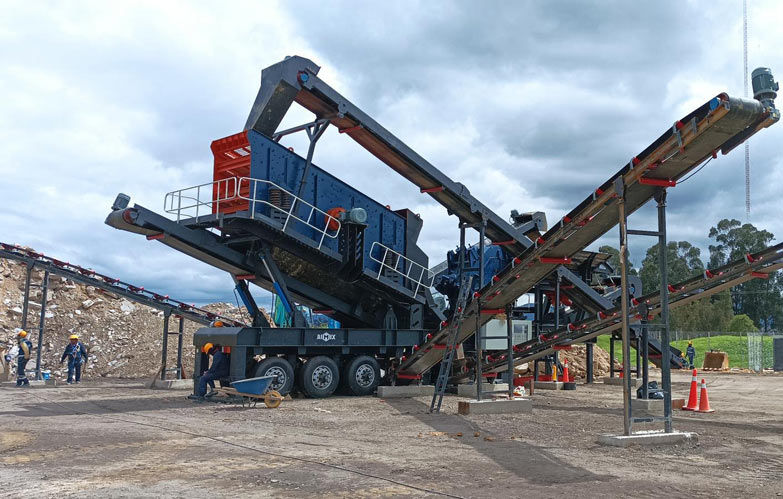
The strategic deployment of a mobile stone crusher plant(planta móvil de trituración) or a portable stone crusher plant directly addresses several core community concerns. Unlike a large, fixed aggregate crusher plant, a mobile unit can be positioned to maximize distance from sensitive receptors like homes or schools. Its inherent mobility allows for progressive rehabilitation; as a section of the quarry is worked out, the entire portable stone crusher plant can be relocated, and the area can be restored more quickly, reducing the permanent visual and environmental footprint. This flexibility demonstrates an adaptive, less intrusive approach to resource extraction and is a visible sign of the operator's responsiveness.
Implementing Stringent Mitigation from Day One
Proactive mitigation must be visible from the start. This includes:
Advanced Dust Suppression: Using misting cannons, enclosed conveyors at the aggregate crusher plant, and foam systems on haul roads.
Noise Abatement: Installing acoustic enclosures around crushers and screens on both fixed and mobile stone crusher plant setups.
Traffic Management: Creating dedicated, well-maintained haul routes that bypass population centers where possible.
Water Management: Implementing closed-loop water systems for processing to protect local waterways.

Establishing Governance and Long-Term Dialogue
Trust is maintained through accountability and the institutionalization of dialogue.
Creating Joint Monitoring Committees
Establishing a committee with equal representation from the company and the community creates a formal channel for ongoing oversight. This committee can review environmental monitoring data (air, water, noise) from around the aggregate crusher plant, audit community benefit agreements, and address grievances promptly and fairly.
Planning for Closure from the Beginning
A credible plan for final quarry closure and post-closure land use, developed with community input, is essential. Involving the community in envisioning a positive future for the land after extraction alleviates fears of being left with a permanent scar and reinforces the message that the project, including its portable stone crusher plant(planta trituradora de piedra portátil), is a temporary, managed user of the land.
The Social License as a Core Asset
In today's Latin America, a permit from the government is necessary but insufficient. The true license to operate is granted by the community. The journey from NIMBY to co-construction is challenging but essential. By engaging early and authentically, sharing value concretely, and leveraging operational innovations like the mobile stone crusher plant to minimize impact, aggregate projects can transition from being seen as a threat to being accepted as a partner. Ultimately, a project that is built with a community, with its aggregate crusher plant operating as a responsible neighbor, is the one that secures lasting success and leaves a positive legacy.

留言